

A brief roundup of United Nations political and peacebuilding events and developments globally.
Personal Envoy Jean Arnault visits Tehran
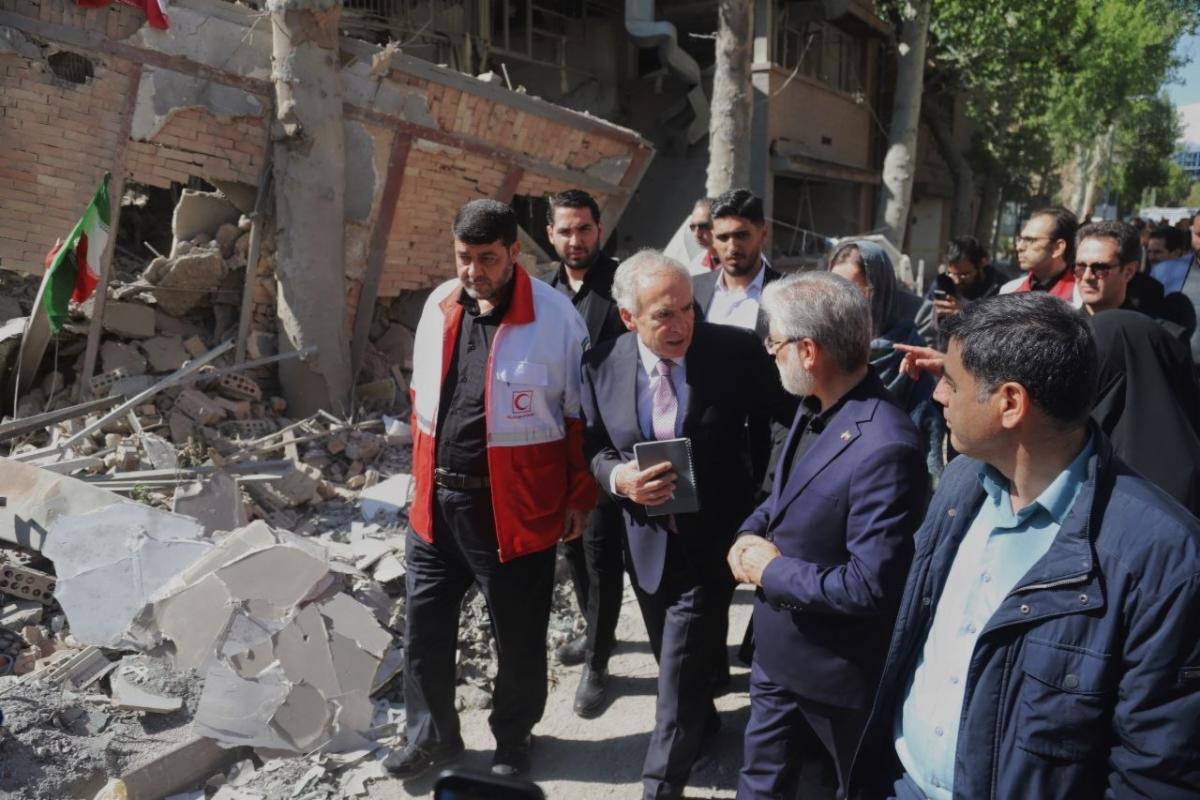
This week, the Personal Envoy of the Secretary-General for the Middle East Conflict and its Consequences, Jean Arnault, traveled to Tehran, Iran. On 9 April, he met with senior officials from the Ministry of Foreign Affairs and representatives of the Iranian Red Crescent, and visited civilian sites damaged in recent strikes. During these engagements, he reiterated the Secretary-General’s firm commitment to making every possible effort to support a peaceful settlement of the conflict.
Photo credit: Government of Iran (@Iran_GOV), via X
Personal Envoy Haavisto concludes visit to Nairobi, calls for de-escalation in Sudan
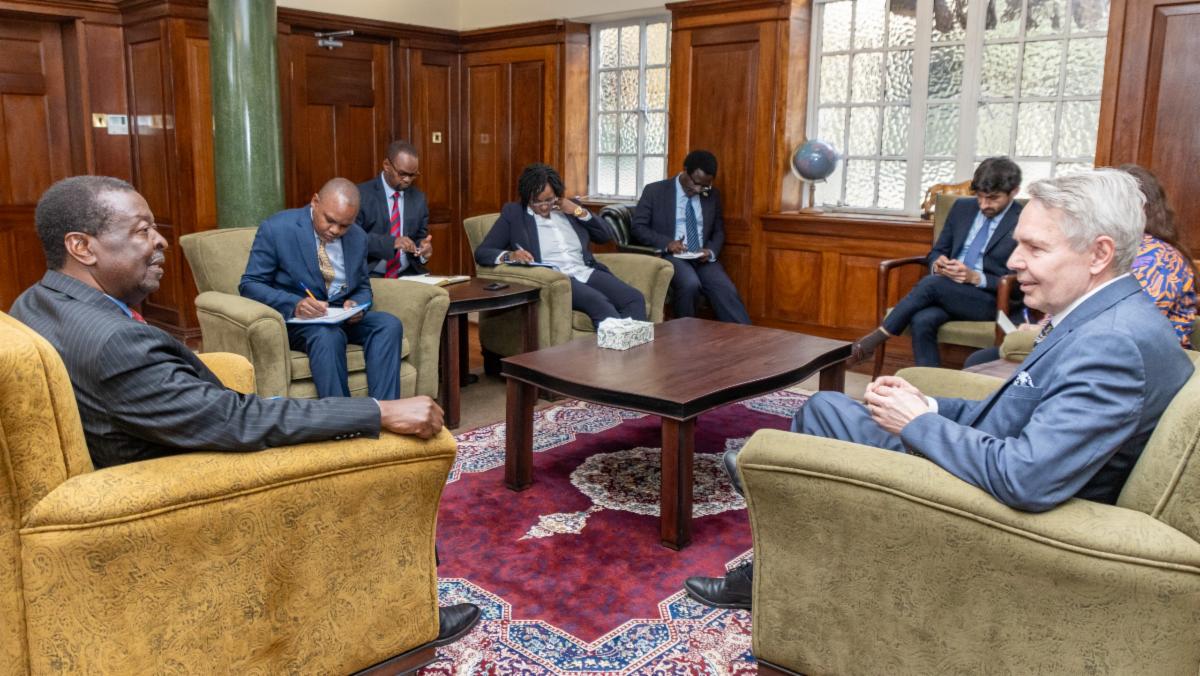
On 10 April, Pekka Haavisto, Personal Envoy of the Secretary-General for Sudan, concluded a visit to Nairobi, where he engaged with Sudanese armed and civilian actors, civil society representatives, members of the diplomatic community and Kenyan authorities. In his meetings, he stressed the urgent need for practical steps to de-escalate the conflict and ensure the protection of civilians, reiterating that the conflict cannot be resolved through military means. He underscored the importance of swift, tangible progress toward peace and reaffirmed the need to safeguard Sudan’s sovereignty, unity and territorial integrity. The Personal Envoy will travel to Berlin ahead of the ministerial-level International Sudan Conference on 15 April, marking the third anniversary of the war in Sudan.
Photo credit: Office of the Cabinet Secretary for Foreign and Diaspora Affairs of Kenya (@MusaliaMudavadi), via X
Security Council discusses cooperation with Gulf Cooperation Council for the first time
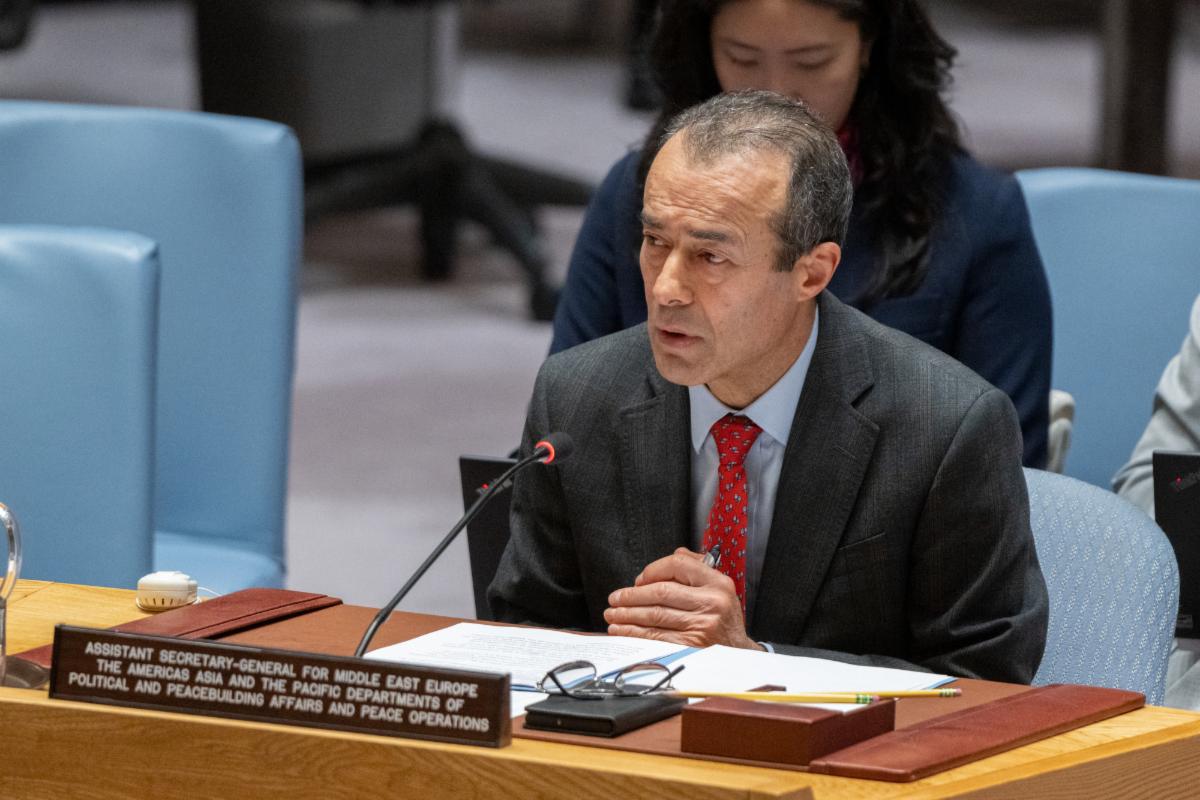
On 2 April, Assistant Secretary-General (ASG) Khaled Khiari addressed the Security Council at its first-ever meeting on cooperation between the United Nations and the Gulf Cooperation Council. He stressed that, at a time of heightened regional tensions, partnership with regional and subregional organizations such as the GCC remains indispensable to advancing peace, security and stability. Referring to escalating hostilities in the region, he warned of a growing threat to international peace and security and stressed that all actors must pull back from the brink and immediately cease hostilities. He underscored the importance of coordinated multilateral action and noted the GCC’s role in facilitating mediation efforts, supporting dialogue and contributing to regional peace and security.
ASG Khiari underscores importance of UN–League of Arab States cooperation amid regional crises
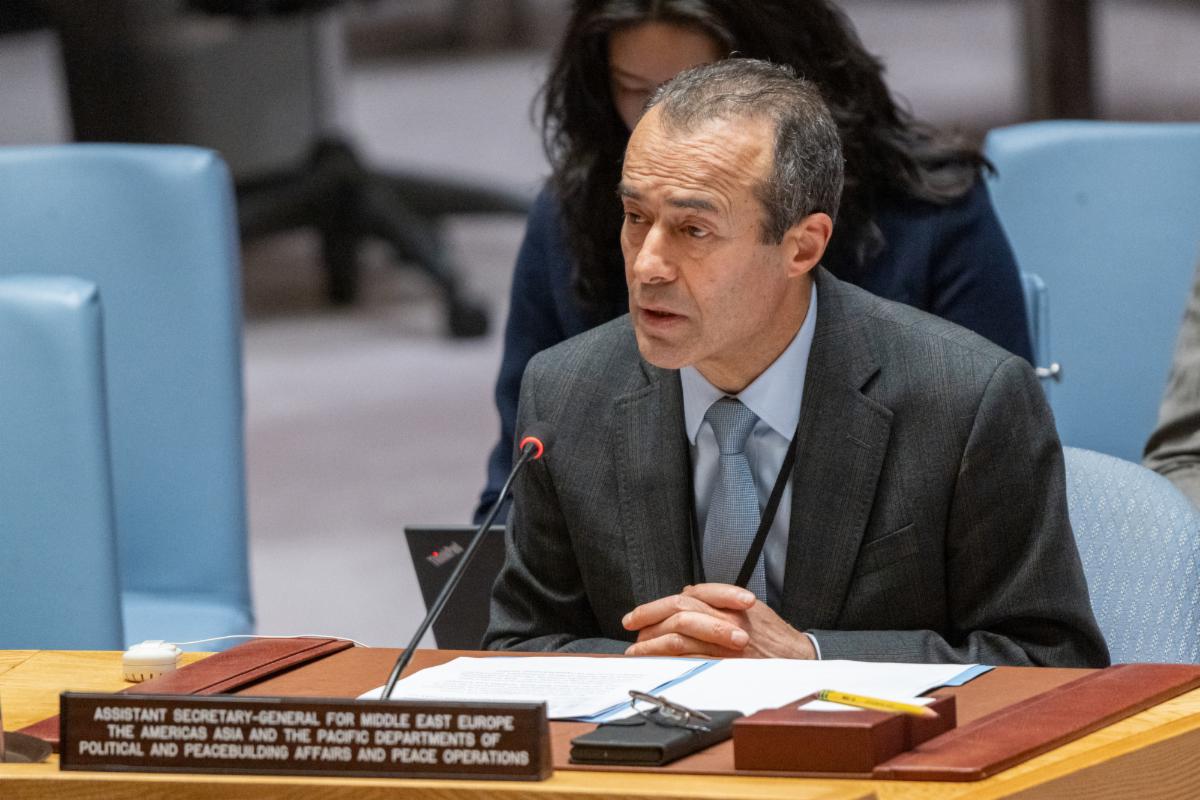
On 2 April, ASG Khiari addressed the Security Council on cooperation between the United Nations and the League of Arab States. He stressed that cooperation between the two organizations remains indispensable across a number of regional files, particularly at a time when the Middle East is facing multiple and overlapping crises causing immense human suffering and civilian casualties. He reiterated the Secretary-General’s call for an immediate end to the current war and for parties to recommit to a diplomatic track addressing the concerns of all affected. He highlighted the importance of close cooperation with the League across key situations, including the Occupied Palestinian Territory, Lebanon, Syria, Libya, Sudan and Somalia.
Special Envoy Grundberg concludes visit to Aden
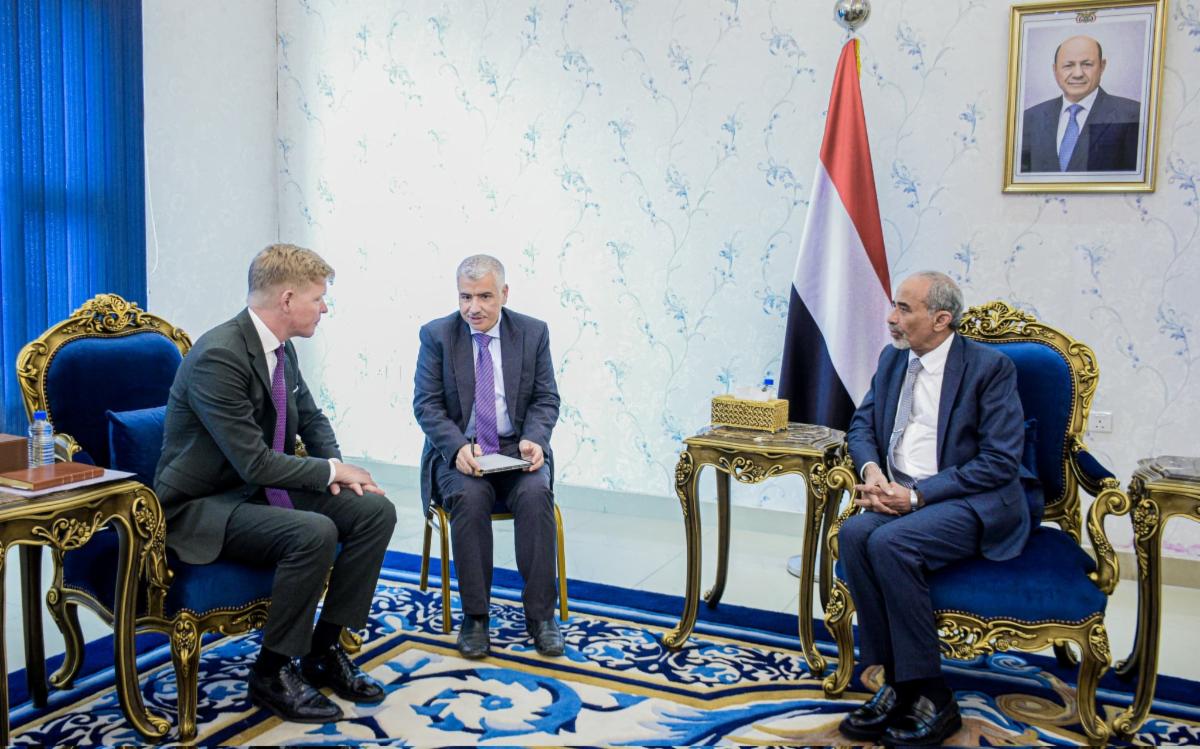
On 9 April, Hans Grundberg, Special Envoy of the Secretary-General for Yemen, concluded a visit to Aden, where he met with senior Yemeni officials to discuss the implications of recent regional and national developments for prospects for peace. Discussions focused on the impact of regional escalation, efforts to stabilize southern governorates, and the status of negotiations on conflict-related detainees. He also engaged on economic priorities and inclusive participation, including the meaningful engagement of women in political and public decision-making. Across his engagements, he stressed the importance of shielding Yemen from regional escalation, supporting economic stability, and preserving space for a Yemeni-led political process under United Nations auspices.
UNMHA concludes operations
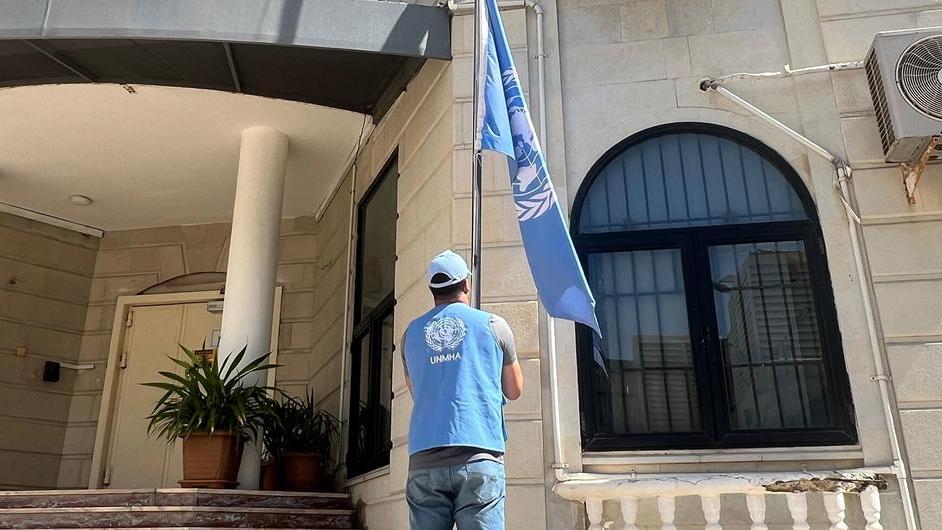
On 31 March, the United Nations Mission to Support the Hudaydah Agreement (UNMHA) concluded its operations in line with Security Council resolution 2813, completing the transfer of its responsibilities to the Office of the Special Envoy for Yemen. These include continued engagement with the Redeployment Coordination Committee and support for communication among the parties on Hudaydah-related stability issues.
Peacebuilding Fund supports new programme to address climate and resource-related tensions in Mali
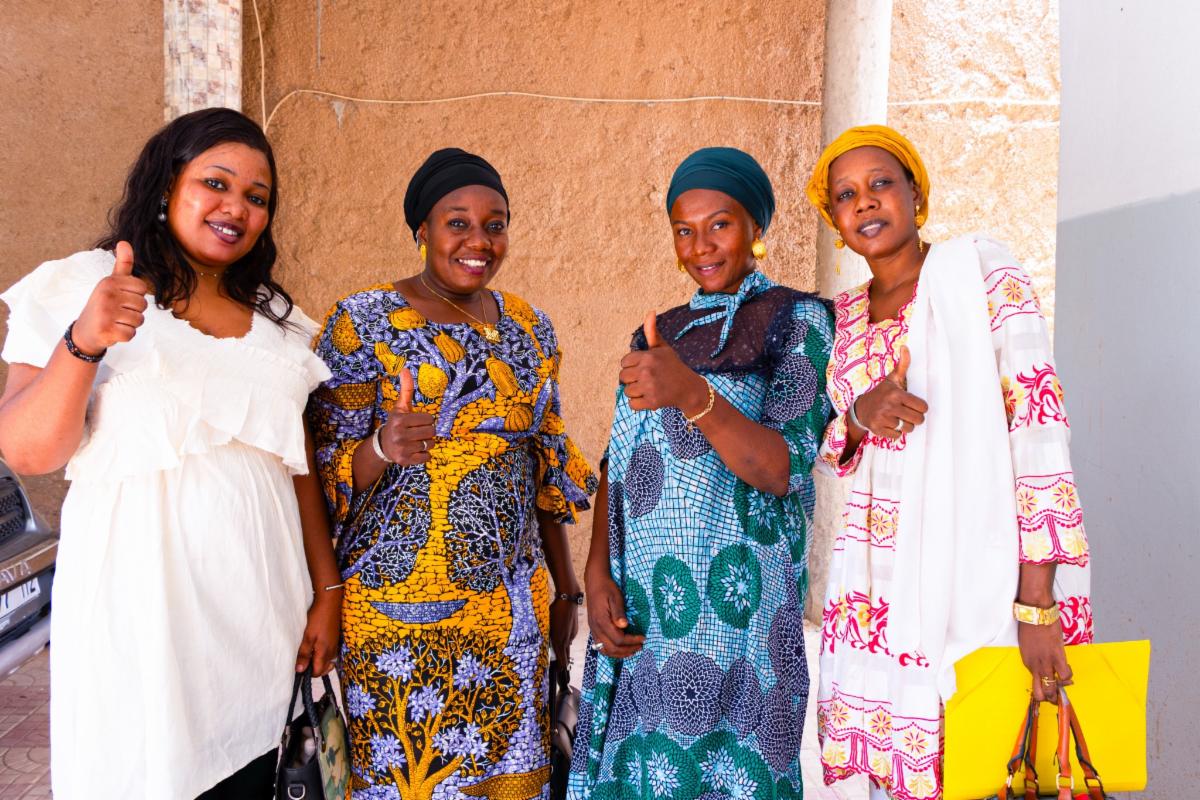
The Secretary-General’s Peacebuilding Fund has approved $2.4 million for a new programme in Mali aimed at preventing and reducing violence linked to natural resources and climate change. The initiative, to be implemented by UNOPS, will address tensions over access to natural resources in the San and Koutiala regions, which are affected by climate change, land disputes and weak local governance. It will support community dialogue, expand participation in decision-making, and promote the inclusion of women and young people in natural resource management processes.
Peacebuilding Commission visits Central African Republic
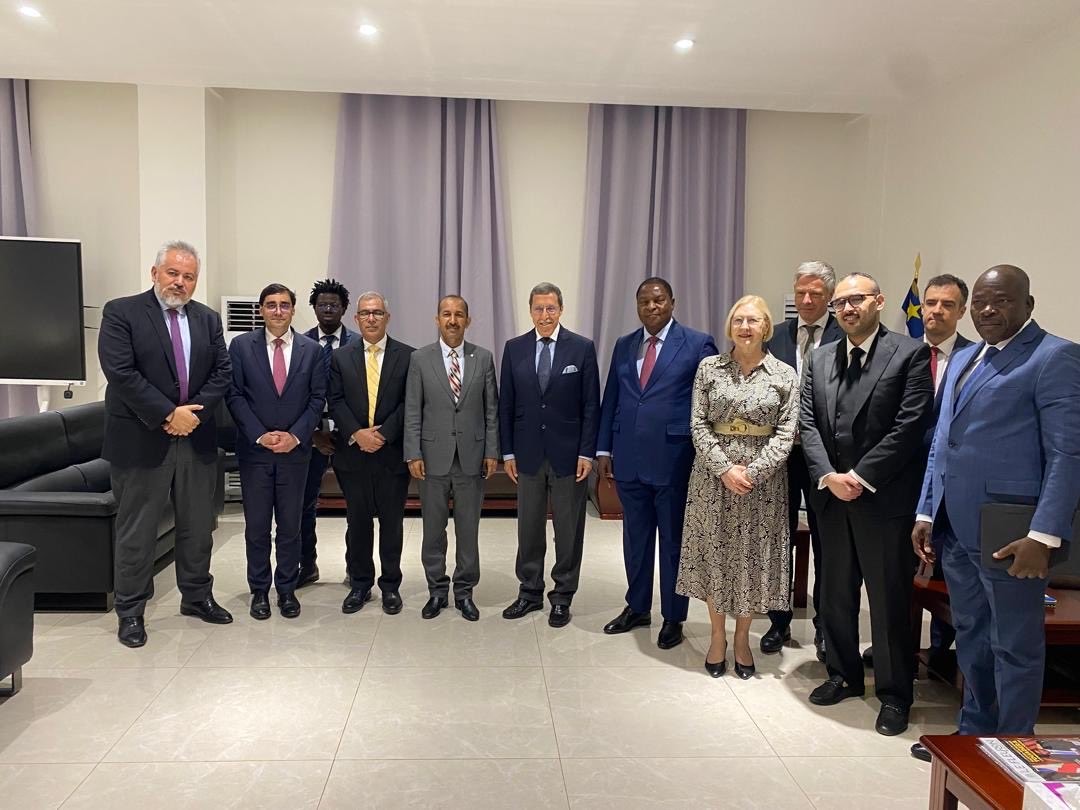
From 28 March to 3 April, Assistant Secretary-General Elizabeth Spehar visited the Central African Republic together with the Chair of the Peacebuilding Commission, Omar Hilale, and representatives of Bangladesh, Colombia, France and Germany. The delegation met with President Touadéra, senior government officials, MINUSCA leadership, international partners, and representatives of civil society, including women and youth. The visit offered insights into progress in the electoral process, implementation of the peace agreement, transitional justice and community-level peacebuilding. In Bouar, projects supported by the Peacebuilding Fund demonstrated support for returnees in resolving land disputes, accessing civil documentation and rebuilding relations with host communities, alongside youth initiatives promoting dialogue and social cohesion. The visit also highlighted the critical role of MINUSCA and the Peacebuilding Fund in supporting stability and a long-term peacebuilding approach to consolidate progress.
Citizenship training supports reintegration and local leadership in Colombia
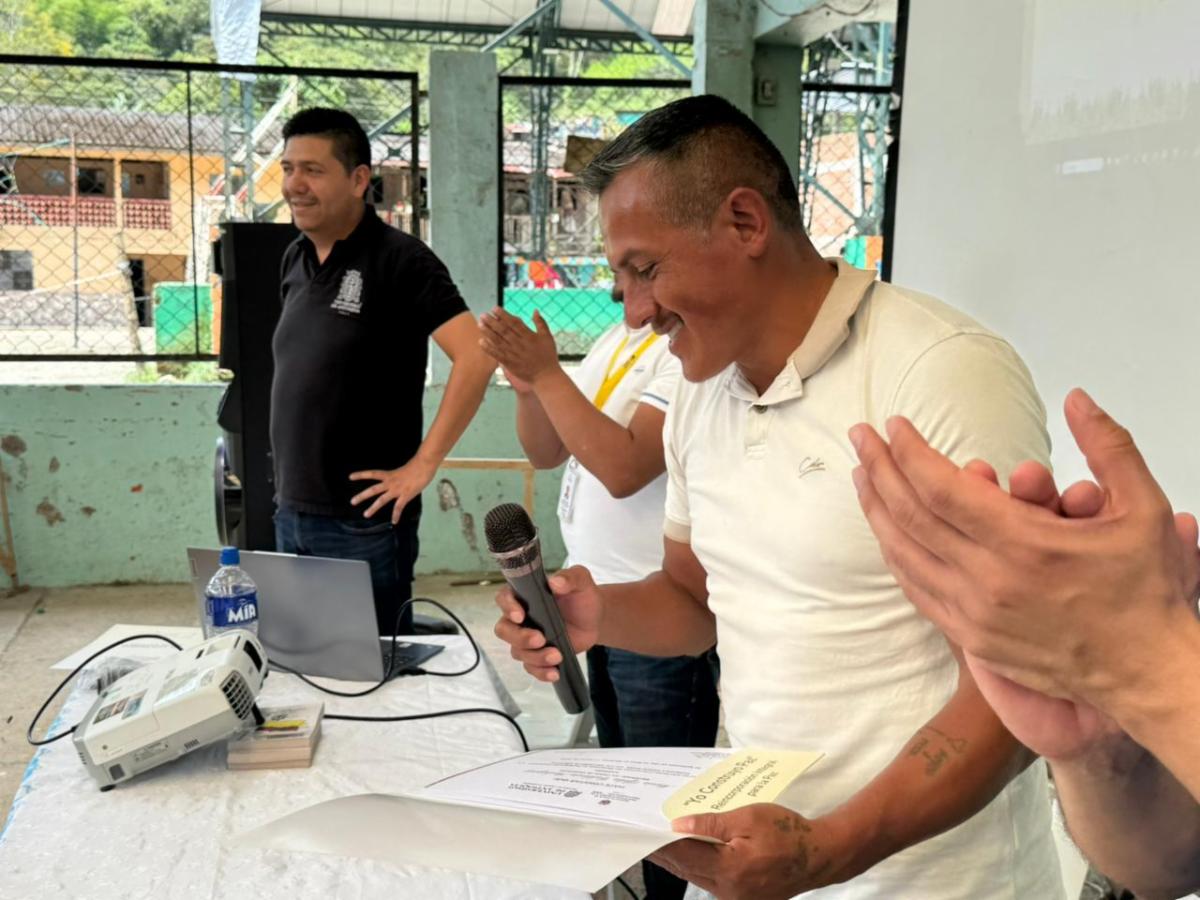
On 1 April, 25 peace signatories from Los Pastos, in the municipality of Cumbal, Nariño Department, completed a diploma course on civic participation, advocacy and social oversight, delivered by the University of Antioquia in partnership with ARN Colombia. The initiative aims to strengthen the effective exercise of citizenship in territories historically affected by conflict, reinforce leadership among peace signatories, expand their participation in decision-making spaces, and support community-level accountability in areas where reintegration is underway. The United Nations Verification Mission in Colombia (UNVMC) supported the process in line with its mandate, underscoring the role of education in political reintegration.
UNRCCA launches 2026 Preventive Diplomacy Academy
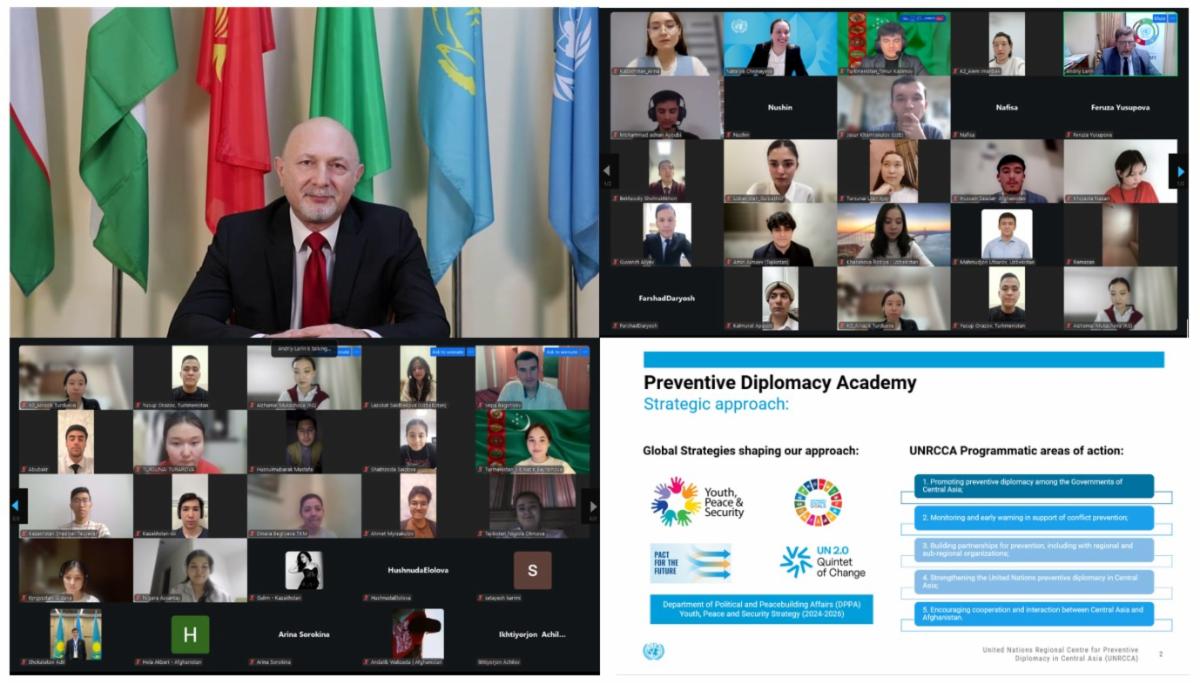
On 8 April, the United Nations Regional Centre for Preventive Diplomacy for Central Asia (UNRCCA) launched the 2026 cohort of its Preventive Diplomacy Academy through an online opening session, bringing together officials, alumni and participants from Central Asia and Afghanistan. The programme aims to strengthen practical skills and knowledge in preventive diplomacy. In his remarks, Special Representative Kaha Imnadze described the Academy as “a space where the next generation of thinkers, diplomats and peacebuilders begin a shared journey,” underscoring its role in advancing dialogue, trust and regional cooperation.
Children mark International Mine Awareness Day in Libya
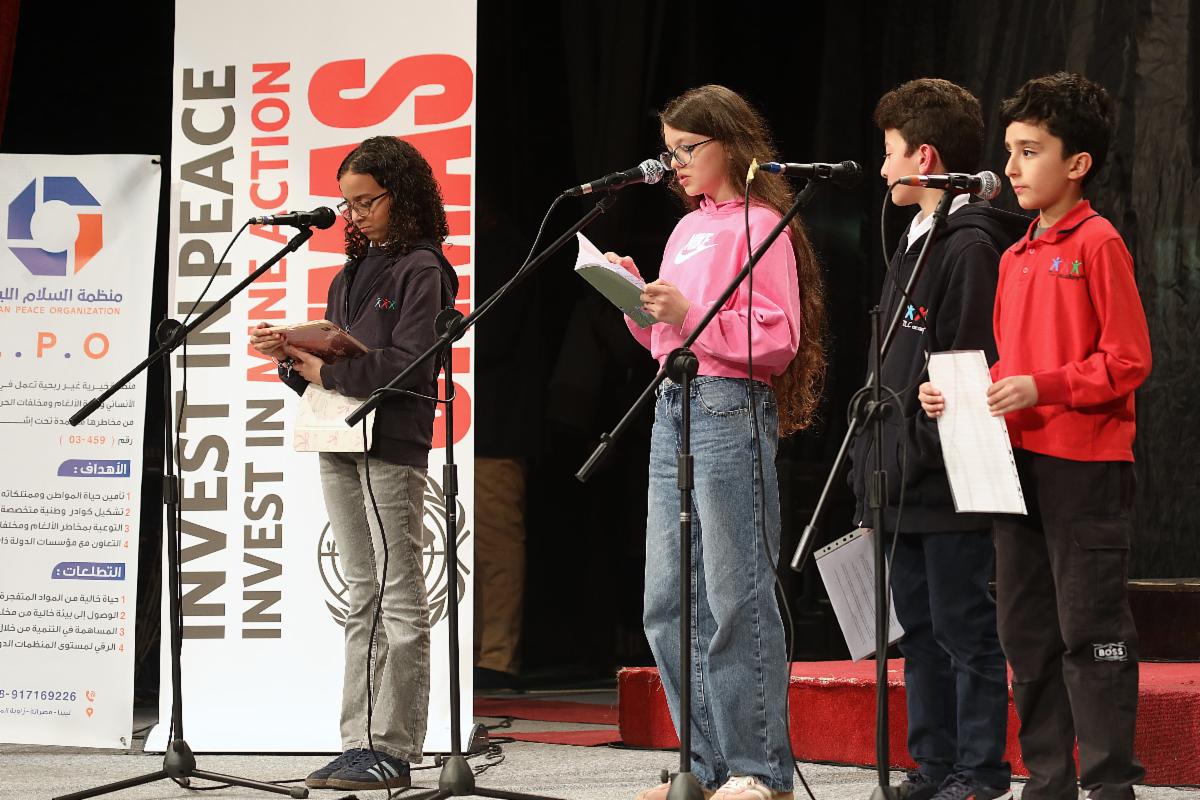
More than 300 children and their parents gathered on 4 April in Tripoli, Libya, to mark the International Day for Mine Awareness and Assistance in Mine Action under the theme “Invest in Peace, Invest in Mine Action.” The event, organized by the United Nations Support Mission in Libya (UNSMIL) and national partners, raised awareness of the dangers posed by landmines and explosive remnants of war through interactive activities. Deputy Special Representative Ulrika Richardson underscored the importance of risk education, noting that children accounted for one third of explosive ordnance victims in Libya in 2025.
UNOAU participates in commemoration for the 1994 Genocide against the Tutsi
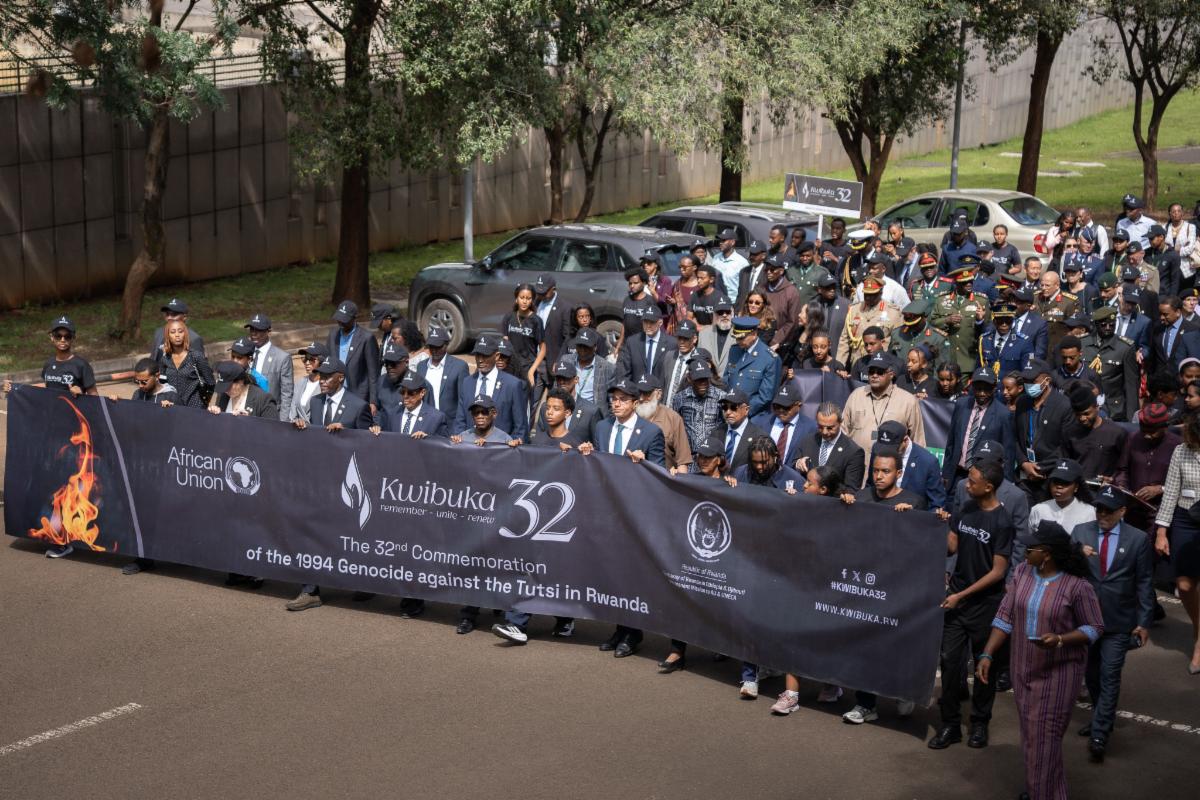
On 7 April, Parfait Onanga-Anyanga, Special Representative to the African Union and Head of the United Nations Office to the African Union (UNOAU), participated in an African Union commemoration marking 32 years since the 1994 Genocide against the Tutsi in Rwanda. He underscored the importance of remembrance, education and early action in preventing atrocity crimes, while highlighting the responsibility of young people to carry memory forward.
Secretary-General appoints Mari Yamashita as Senior Representative for implementation of resolution 2792
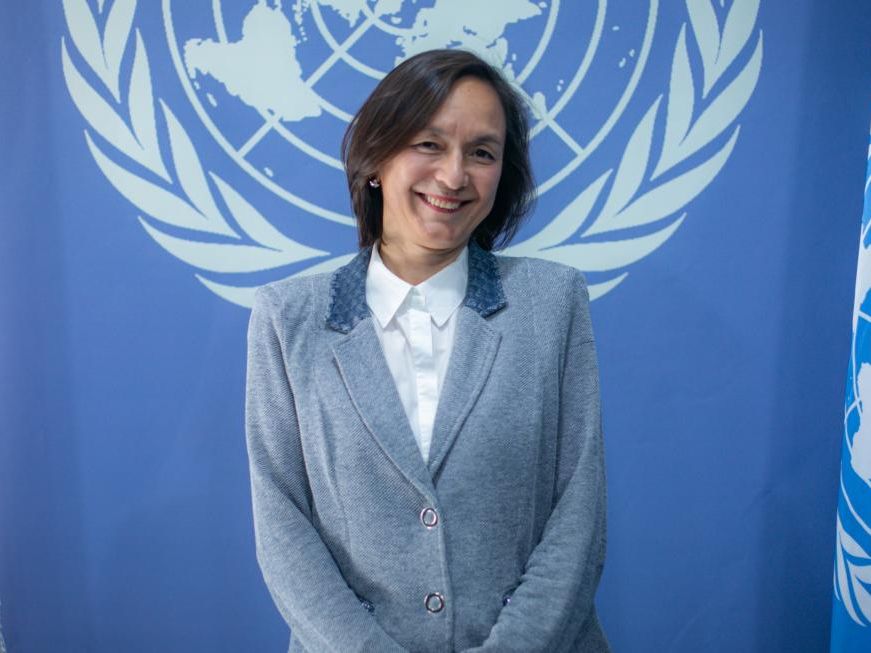
On 1 April, the Secretary-General appointed Mari Yamashita of Japan as his Senior Representative for the Implementation of Security Council resolution 2792 (2025). In this role, she will support efforts to address the outstanding issue of Kuwaiti missing persons and property following the conclusion of the mandate of the United Nations Assistance Mission in Iraq.
Next Week
The Security Council will hold a briefing on cooperation between the United Nations and regional and subregional organizations, with a focus on the European Union, on 13 April. On 14 April, the Council will meet on Libya sanctions and the situation in Yemen. On 15 April, members will convene for a briefing on the Great Lakes region.


