


When Home Is No Longer Safe: A Family’s Return in Sudan
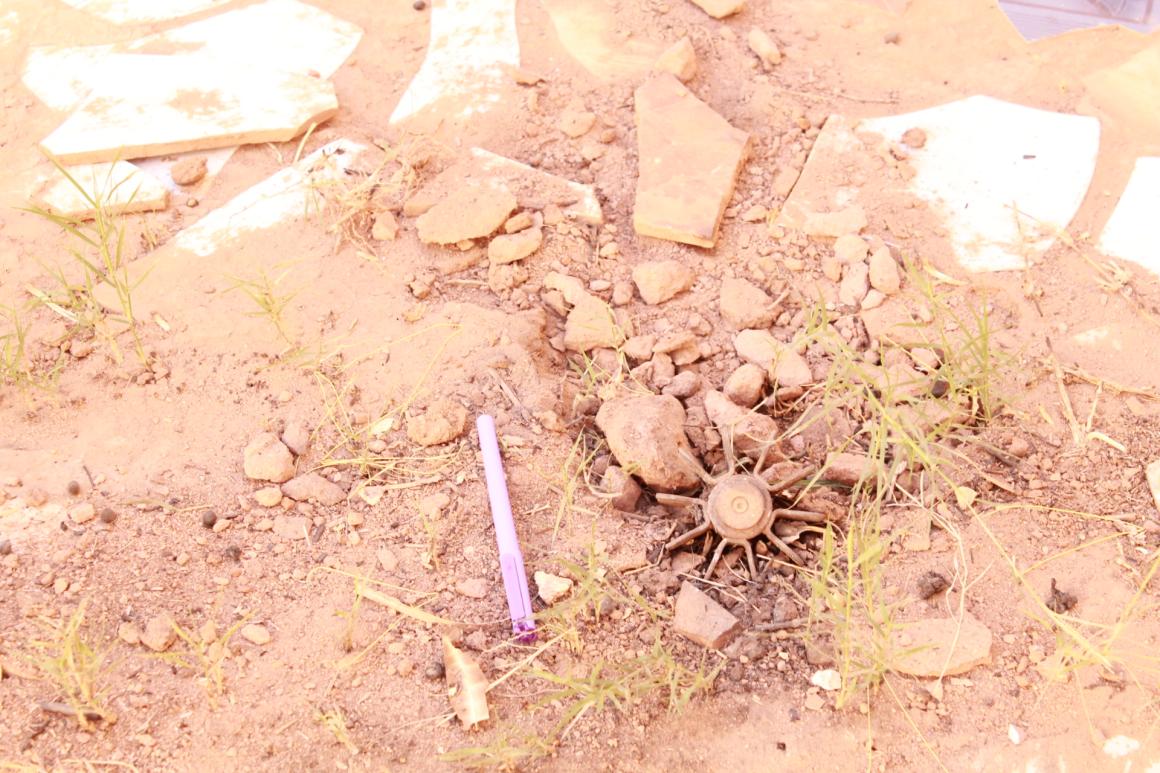
In many parts of Sudan, families returning home after conflict face a hidden danger: explosive hazards. During fighting, explosive items can fall into residential areas without detonating. Long after the violence stops, these items remain a serious threat to civilians. For families trying to rebuild their lives, these hidden hazards can turn homes, parks, and neighborhoods into dangerous places. This was the reality for Mr. Jaber Ibrahim and his family when they returned to their house in Al-Droshab, Khartoum North after being displaced by conflict. In response, through a project funded by ECHO, UNMAS teams are working in areas like Al-Droshab to locate and remove these hazards, while also helping returning families and local residents understand the risks and how to stay safe.
A hopeful return, a frightening discovery
After months away, Mr. Jaber’s family came home hoping to start again. As they stepped inside, they carefully walked through each room. The house was still standing, and for a moment, relief replaced the fear that had forced them to leave. But when they reached the yard, their relief quickly turned to alarm. Partially covered in dust lay a large metal object. Looking closer, Mr. Jaber realized it was an unexploded item that had fallen into their home during the fighting. The family immediately left the house to protect themselves.
Three days of uncertainty
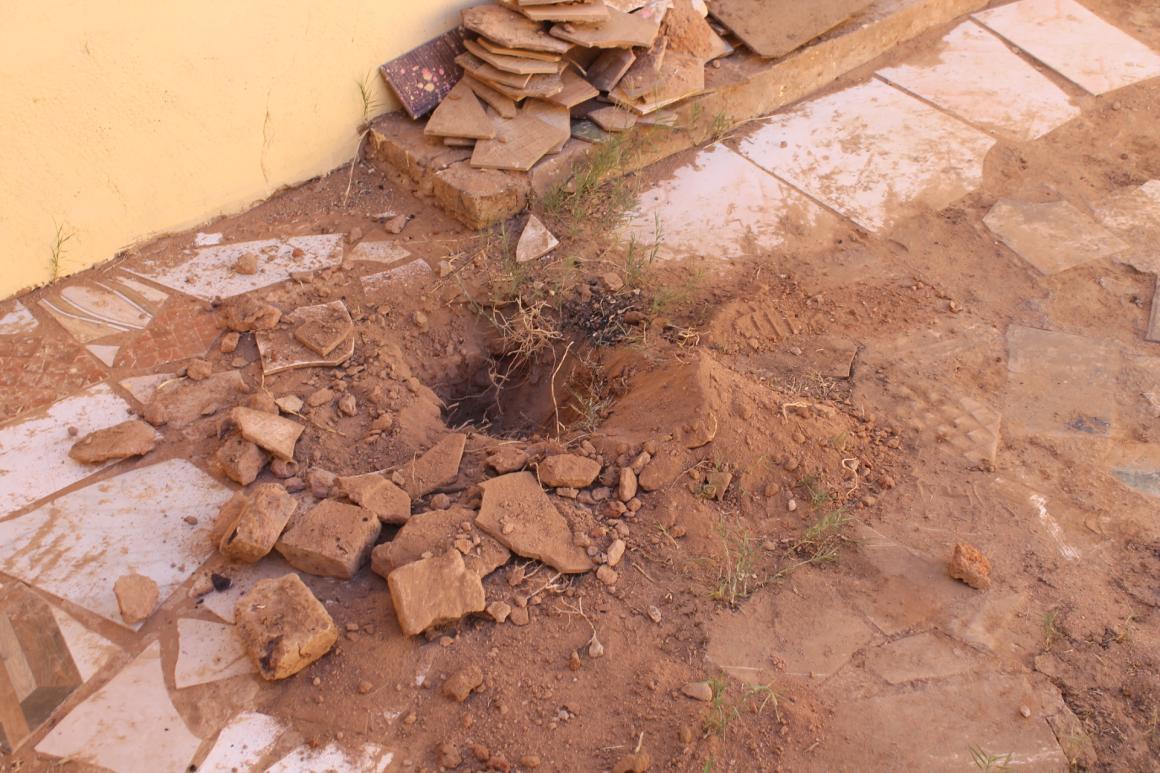
For the next three days, the family remained outside their own home. The children were confused and frightened. Their parents lived with constant worry. The house that once meant safety had suddenly become a source of danger. The unexploded item posed a serious risk not only to the family but also to neighbors living nearby. Even after returning from displacement, the family could not unpack, settle in, or resume their daily routines. Their situation reflects a wider reality in many communities across Sudan, where explosive remnants of war continue to delay safe returns and disrupt everyday life.
A rapid and careful response
Once the situation was reported, UNMAS implementing partners quickly dispatched their mobile response team. Upon arrival, the team secured the area and ensured that residents remained at a safe distance. After carefully assessing the unexploded ordnance, the specialists followed strict safety procedures to remove the item safely. With the threat removed, the fear that had surrounded the home for three days finally lifted.
Reclaiming their home
Mr. Jaber expressed deep gratitude to the team. By removing the unexploded item, they had not only eliminated a dangerous threat but also restored peace of mind for his family. The children were the first to step back inside the house, slowly reclaiming their space. Soon after, the entire family followed. For the first time since returning to Al-Droshab, they could finally begin rebuilding their lives.
Humanitarian support that saves lives
The experience of Mr. Jaber and his family is a reminder that the dangers of war remain after the fighting stops. Hidden explosive hazards continue to threaten civilians and prevent families from returning safely to their homes. With humanitarian funding from the European Union through European Civil Protection and Humanitarian Aid Operations (ECHO), UNMAS, in collaboration with the Danish Refugee Council (DRC) and JASMAR Human Security Organization (JASMAR), is working to identify and remove explosive hazards in affected communities across Sudan. By making areas safe again, humanitarian mine action helps families return home, rebuild their lives, and move forward with dignity and hope.
--
This project was generously funded by ECHO, delivered by UNMAS in partnership with UNOPS, DRC, JASMAR, and local authorities to protect vulnerable and crisis-affected communities in Sudan.


