


An integral yet overlooked part of the UN police is the protection of civilians. Protecting civilians is a core responsibility of United Nations peacekeeping—and a central task of United Nations Police (UNPOL). The Protection of Civilians (POC) mandate ensures that people are safeguarded from physical violence, that the rule of law is upheld, and that conditions for sustainable peace are created.
The first UN peacekeeping mission explicitly mandated to protect civilians was the United Nations Mission in Sierra Leone in 1999. Since then, the protection of civilians has become a defining feature of modern peace operations. While missions evolve in response to changing contexts, the commitment to protect civilians remains constant.
Protection of civilians is not the responsibility of one unit or one role. It is a mission-wide task carried out by Heads of Police Components, Individual Police Officers (IPOs), Formed Police Units (FPUs), and civilian experts working within police components.
Dialogue and Engagement
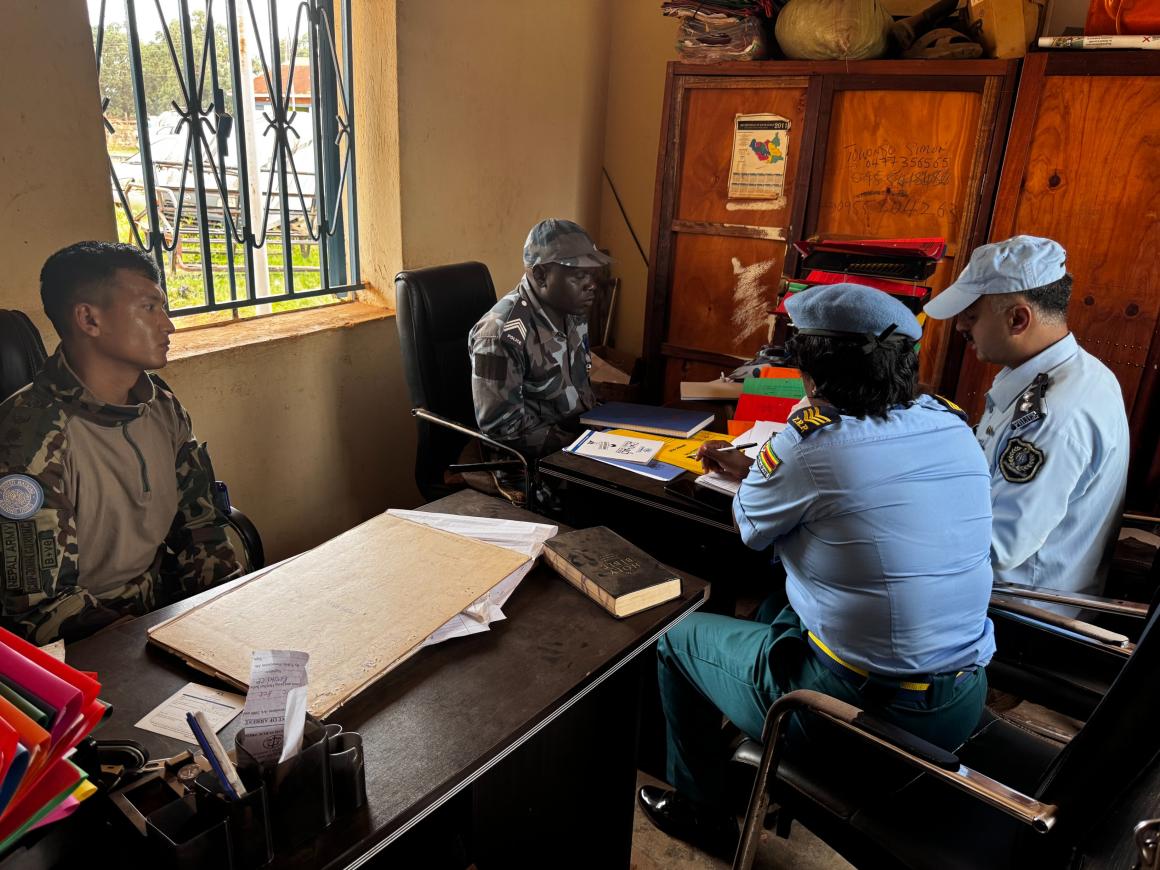
Dialogue and engagement are the foundation of effective civilian protection. For UNPOL, this means working closely with host-State police services, communities, and other mission partners to promote respect for human rights, the rule of law, and public order. By supporting host-State police to fulfil their primary responsibility to protect civilians, UNPOL helps strengthen community-oriented policing and build trust between police and the population. Trust enables early warning, improves reporting of threats, and allows allegations of human rights violations to be recorded and addressed. Because accountability is as important as protection.
Physical Protection
When civilians face an imminent threat of physical violence, UNPOL—particularly through Formed Police Units—may provide direct protection. FPUs operate under the Directive on the Use of Force, which defines it as “to influence and deter, not necessarily to defeat threats seeking to threaten or harm United Nations personnel or associated personnel or the civilian population.” Their role is to protect civilians, UN personnel, and critical infrastructure while respecting international human rights law.
Due to their training, equipment, and law-enforcement mandate, FPUs are often better suited than military components to conduct policing-style operations in populated areas, including crowd management, patrols, and rapid response in support of civilian protection.This does keep in mind the difference between military components.
A protective environment
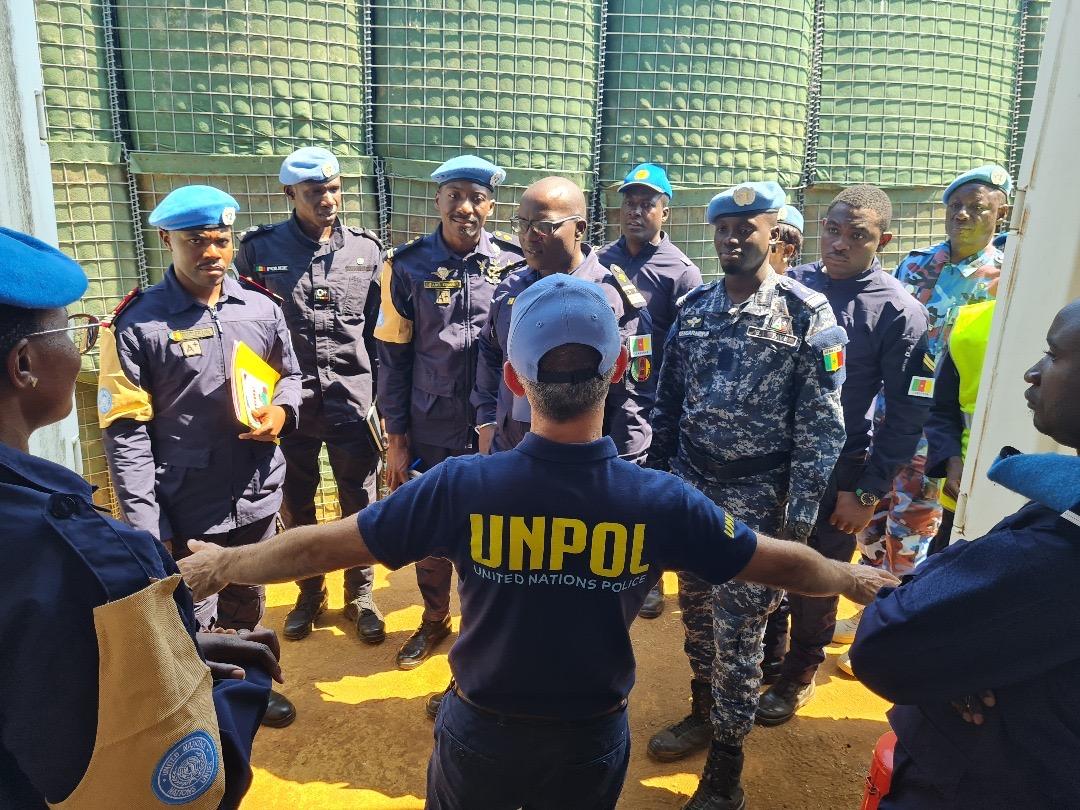
The International Police Officers undertake this part of the mandate. They help to train the skills of the host-state police services. A sustainable protective environment reduces the likelihood of violence and strengthens national institutions over time. This work is primarily undertaken by Individual Police Officers and police advisors, who support host-State police through training, mentoring, and institutional reform.
In line with UN policy, police contributions to a protective environment follow four interconnected phases:
Prevention focuses on reducing risks before violence occurs. This includes maintaining a visible police presence, supporting community policing, training local police, and addressing underlying drivers of violence.
Pre-emption means acting early to stop violence before it happens. UNPOL works with national police to extend their presence in at-risk areas, conduct joint or independent patrols, and support lawful public order management. Pre-emption also includes engaging with security actors whose actions may threaten civilians, to prevent further harm.
Response involves taking timely action when civilians are under immediate threat. This may include advising host-State police on human-rights-compliant policing or deploying FPUs to restore safety and protect lives.
Consolidation focuses on making peace last. It includes combating impunity, strengthening accountability and the rule of law, supporting transitional justice, and—together with other UN partners—helping create conditions for the safe, voluntary, and dignified return or resettlement of displaced people.
But why is UNPOL specifically best suited for the protection of police? Charles Hunt is a Senior Fellow at the UN University Centre for Policy Research. In his paper titled "Protection of Civilians by Police in UN Peace Operations", he states the following reasons.
Forced Police Unites are better suited to protect civilians because of their training and equipment. Patrolling, seen and heard by everyone, acts as a deterrent.
UNPOL is more flexible, and can adapt more quickly to the needs of changing peacekeeping missions. And because of the lack of bulky military material, they are more mobile.
Because of the training role UNPOL has towards host-states, they are well served to engage with governmental and law enforcement to reform them, but act on risks to civilians early.
The close proximity to communties makes so UNPOL can learn from them, and the communities learn to trust UNPOL.
Working closely with our military counterparts, we provide mission-wide protection.
The Security Council has affirmed the central role of the protection of civilians in the work undertaken by United Nations police in its resolutions 2382 (2017, paragraph 6) and 2185 (2014, paragraph 17).